Customer Obsession in Clean Energy: 10 Leadership Lessons from the Front Lines

Here are 10 lessons we’ve learned—often the hard way—about what it really means to be customer-obsessed in a global, high-stakes energy business.
In today’s clean energy industry, delivering electrons isn’t enough. Customers expect more than just price and project timelines—they want flexibility, transparency, partnership, and purpose. At Zelestra we are working across 4 continents, leading teams and structuring deals with some of the world’s most sophisticated energy buyers. From data-driven hyperscalers to global manufacturers to large scale utility buyers, the lesson is always the same: being customer-centric isn’t a soft skill. It’s a business strategy.
Here are 10 lessons we’ve learned—often the hard way—about what it really means to be customer-obsessed in a global, high-stakes energy business.
1. Customers Aren’t Buying Megawatts—They’re Buying Confidence
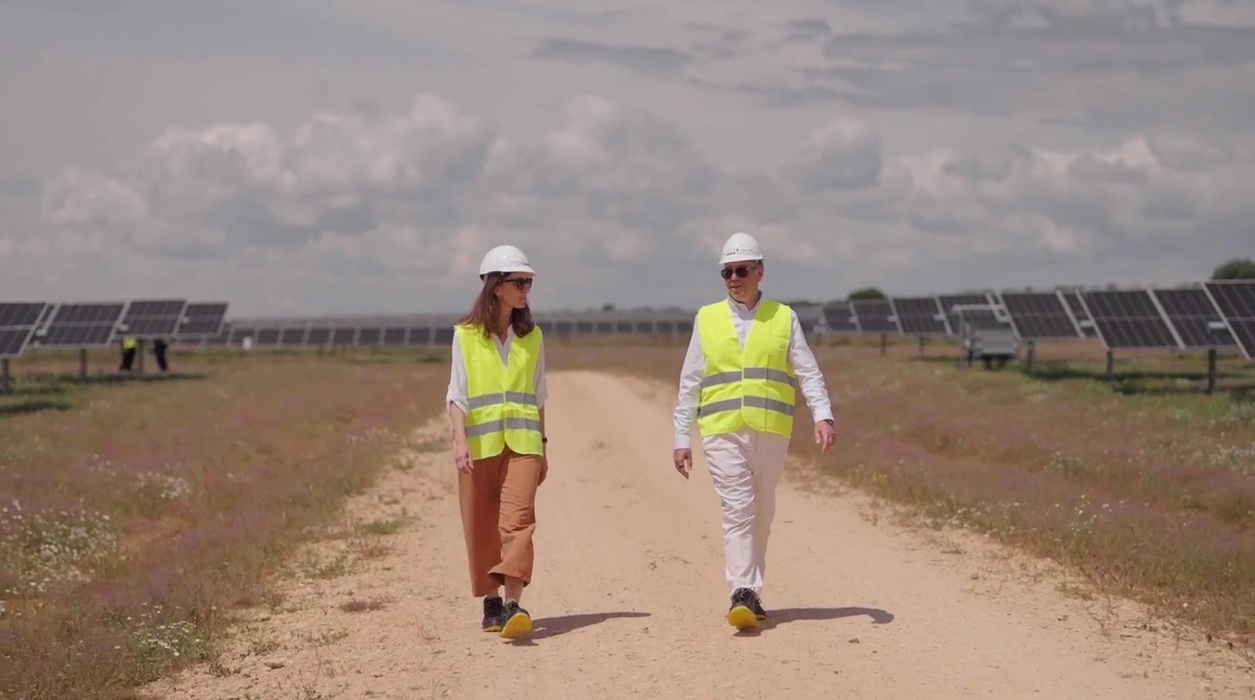
Customer visit to our Las Rozas solar project in Spain
A PPA or energy supply deal may be technical, but the decision to sign is deeply human. Customers want to trust that you’ll deliver—not just the asset, but the accountability. In the end, they’re buying confidence: in your execution, your ethics, and your ability to navigate complexity without surprises.
2. Deep Listening Builds Better Projects
Every company claims to be customer-first. Few actually listen. We’ve landed major deals not because we pitched the best brochure, but because we heard what wasn’t said—the internal stakeholder tension, the risk aversion, the reputational concerns. Deep listening is what transforms a good proposal into a perfect-fit solution.
3. Flexibility Wins Over Perfection
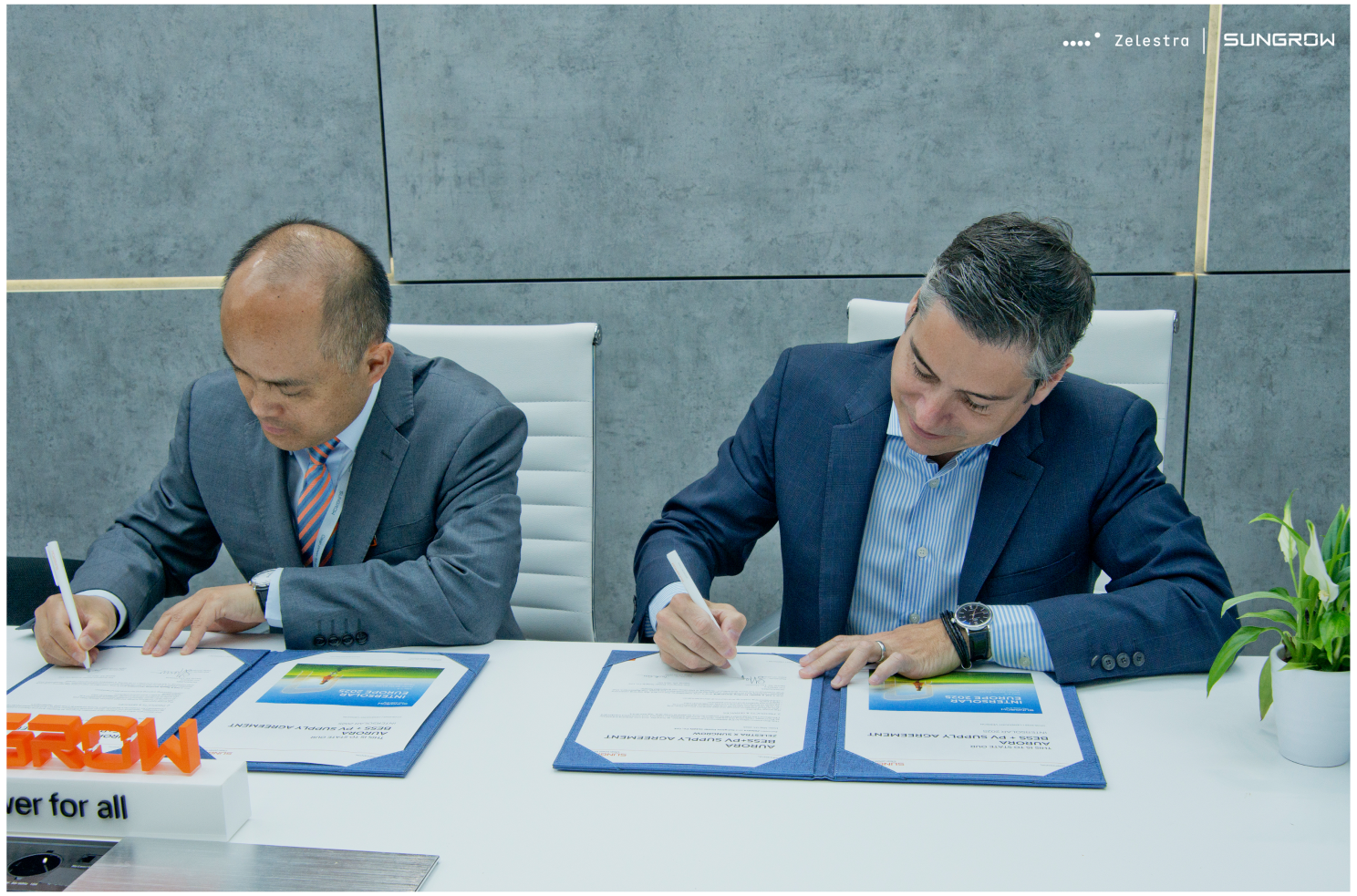
Signing a large battery agreement with a strategic supplier to deliver flexible solutions to customers
Energy deals are complex. Perfect doesn’t exist. But what clients value is flexibility—on timing, on pricing mechanisms, on asset mix. A rigid solution can look beautiful on paper but fail in the real world. The deals that scale are the ones built with adaptability in mind.
4. Simplicity Builds Trust
Clients are busy. They don’t want to decode jargon, legalese, or spreadsheet labyrinths. Simplicity—in how you structure your offer, communicate risks, and present benefits—reduces friction and increases trust. If they need a whiteboard to understand your model, start over.
.jpg)
Latam team meeting with a strategic customer
5. Long-Term Partnerships Trump Short-Term Wins
In the early days of a relationship, there’s often pressure to close fast or “win the deal.” But playing the long game pays more. I’ve seen opportunities resurface years later because we walked away respectfully or left the door open. Being a long-term partner sometimes means saying “not yet.”
6. Your Customer’s Stakeholders Are Your Stakeholders
Behind every client team is a CFO, a board, an ESG committee, a comms director. If your solution doesn’t help your champion navigate their internal politics, it won’t land. The best providers know how to build tools, decks, and narratives that make their customers look good internally.
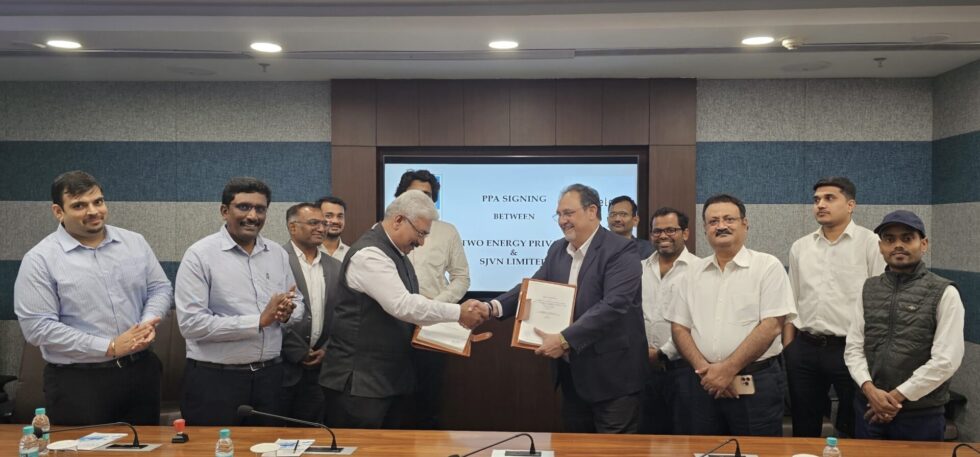
India team signing a partnership with a strategic customer
7. Responsiveness Beats Perfection
In high-stakes environments, speed matters. Clients will remember if you came back the same day with a clear answer more than if you waited two weeks to polish a perfect pitch. The best teams are agile. They move fast, think clearly, and correct course transparently when needed.
8. Culture Is the Silent Differentiator

Talking to our team about how our culture is our brand with customers and stakeholders
Your internal culture is visible to your clients—more than you think. Do your teams collaborate or compete? Do they own mistakes or deflect? Clients are drawn to partners who reflect their values. A culture of integrity, diversity, and responsiveness builds credibility faster than any proposal can.
9. Internal Alignment Is Half the Battle
Customer focus isn’t just a front-office trait. It needs to run through legal, finance, construction, ops. If your internal teams are misaligned or slow to adapt to client needs, the whole relationship suffers. Aligning incentives around customer value—across every department—is mission critical.
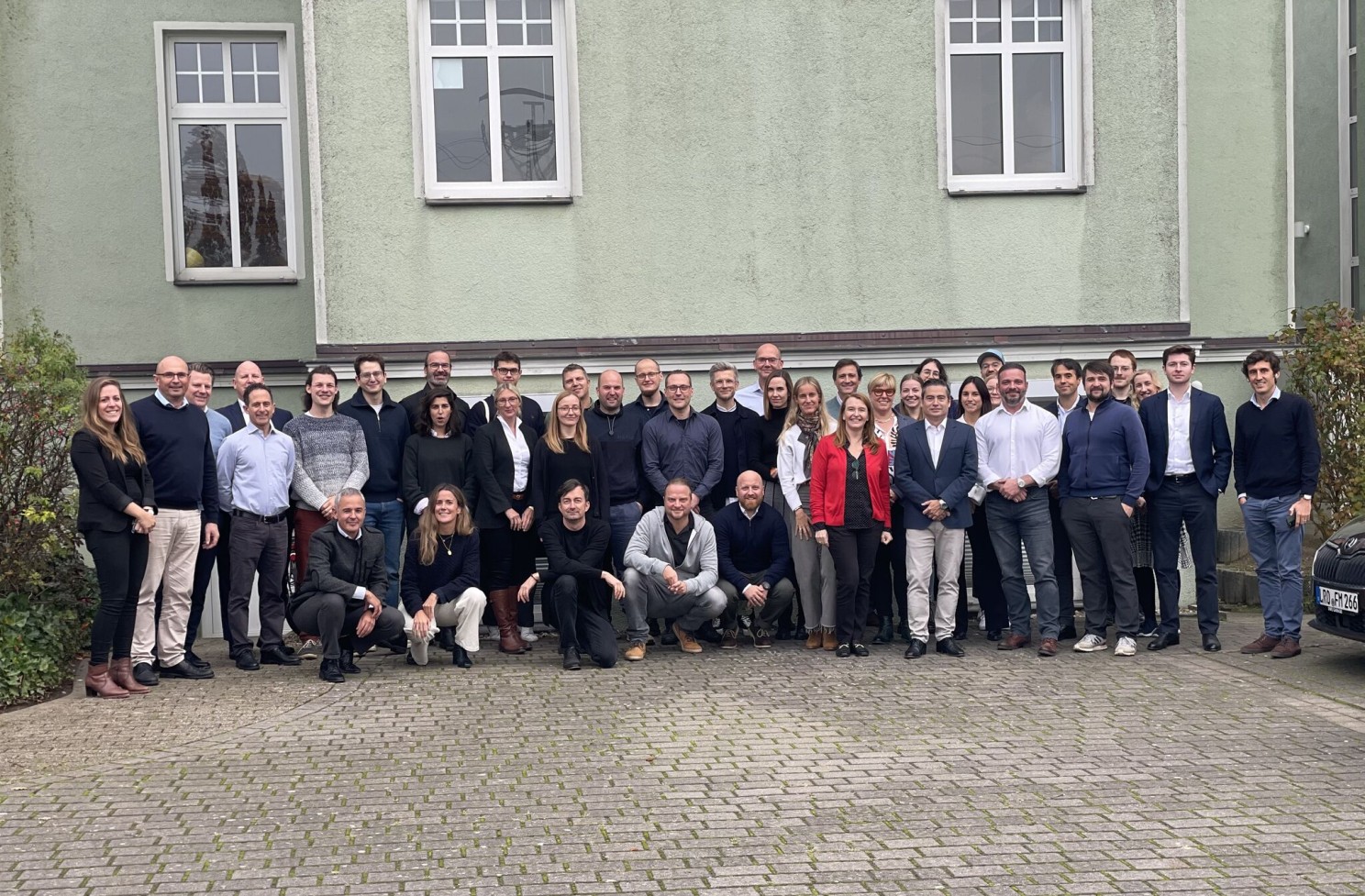
Team meeting in Germany to evolve our internal alignment on how to best deliver solutions to customers
10. Partnership Starts with Transparency
Not everything will go to plan. But when challenges arise, transparency builds resilience. Clients don’t expect perfection—they expect honesty. Be upfront about delays, risks, and setbacks. Real partnerships are built in how you handle the hard moments, not just the easy ones.
Conclusion: Leading Through the Lens of the Customer
Our Jasper project being built in the United States

Customer obsession isn’t just about good service—it’s about leadership. It requires humility, speed, discipline, and clarity. In a global, fast-moving energy transition, the companies that endure will be those who treat their customers not as endpoints, but as partners. Not as revenue, but as relationships.
And those partnerships, in the long run, create far more than megawatts. They create momentum, trust, and impact.